.png?h=333&iar=0&w=1000)
'We need pioneers who can take the first step'
 Author: Jacco Strating
The HortiScience Innovation Center (HIC), based in Bleiswijk, the Netherlands, recently opened the HIC Venture Studio. It is the world's first Venture Studio dedicated entirely to horticulture. "This milestone gives the sector a powerful new engine for innovation and entrepreneurship, bringing science and entrepreneurship together to future-proof the greenhouse horticulture sector", says director Loet Rummenie.
Single platform
The HortiScience Innovation Center was founded by experienced and powerful partners. "I previously worked at Startlife, one of the founders. What I saw was that startups in greenhouse horticulture automatically reached out to all of these parties with the same request. Therefore, we got together with the ambition to organize this better and more efficiently. That's how the HortiScience Innovation Center came into being. Now we support startups together and build new startups from a single platform."
Rummenie explains that the opening of a Venture Studio last year marked a unique step. “A Venture Studio is essentially a place where ideas, technology, entrepreneurs, and often capital converge are effectively fused into new companies. And what you often see, not only in the Netherlands but also in other countries, is that two engineers in a lab conceive an invention and then start a company. But engineers and researchers often don't make the best entrepreneurs. The promise of a Venture Studio is that a more complementary team is created at the start of the company. So, a commercial or operational person is often brought in right at the beginning of the venture. And then you see that companies often grow faster, are often more successful, and actually bring an innovation or new technology to market.”
Future-proof our sector
There are more Venture Studios around the world, but the HortiScience Innovation Center is the first to launch a Venture Studio fully focused on horticulture. “Horticulture is growing worldwide. But the sector also faces several significant challenges. That's why it's especially important not to wait too long to develop solutions. These solutions are often quite risky. So, for an individual company or grower, that's something that falls outside the scope of daily business. You need pioneers who can take that first step to bring a technology to a point where a grower can actually use it. So, if we want to future-proof our sector, we simply have to get started on this as soon as possible.”
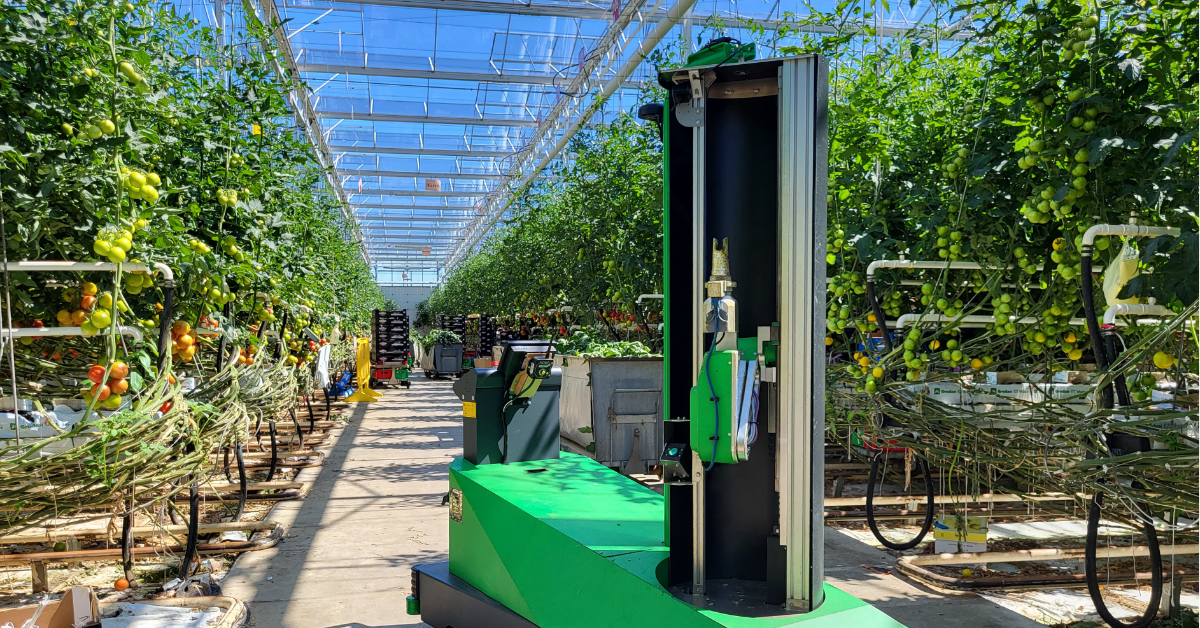
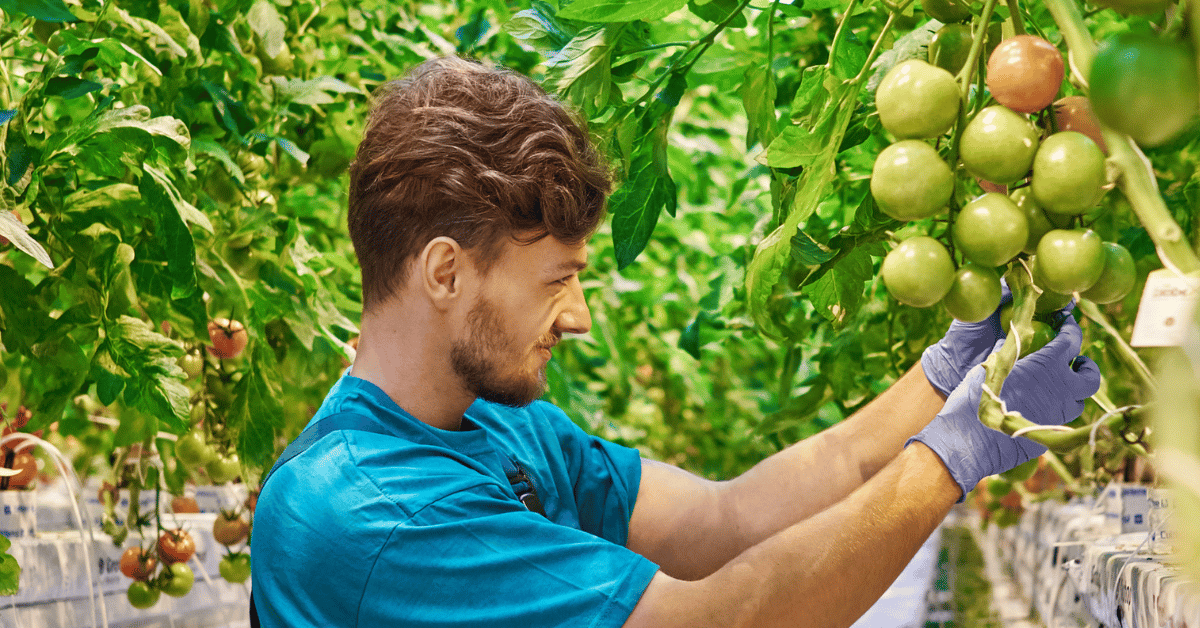
Companies are already submitting ideas, Rummenie says. "Some of these are coming from our own network, because we started with five very strong partners, and therefore bring a whole network with us. But we also collaborate extensively with growers and companies in the region. That's actually going much faster than I had hoped." Labour, automation, energy, and circularity are supposedly the most important themes. "But within those themes, we're also developing certain ‘areas of opportunities’. For example: humanoid robots. Most people agree that eventually everyone will have their own assistant. They'll help fold laundry at home, but perhaps also have a role in the greenhouse. Whether they'll actually pick tomatoes or function more in a different role in the greenhouse remains to be seen, but everyone knows it's going to happen. We see that as an opportunity where we say, yes, it's definitely worth exploring whether we can develop a company, a venture, in that area."
Testing in practice
The first ‘entrepreneurs in residence’ have now started. "They are eleven entrepreneurs with truly diverse backgrounds. For example, there's an aircraft engineer, there's a robotics engineer, and there's someone who previously built a company around ingredients. So, a diverse group of entrepreneurs with their own networks and expertise. Together with the nearly 120 experts based here in the region, we can very quickly move from ideas to initial prototypes, to actually testing the idea in practice."
According to Rummenie, the sector has responded with enthusiasm. "But everyone is also curious about the kinds of businesses that will ultimately be built in the studio. We're currently specifically looking to connect with growers and suppliers to better understand the daily challenges, in addition to the opportunities. Challenges that growers face every day. Because yes, those are precisely the things we want to develop solutions for." The goal is to establish three companies each year. "Ultimately, it will be a success if these companies make a difference in the areas I mentioned and if we can look at the sector with pride. Not just from within the sector, but also from outside the sector. If we can truly contribute to making the sector more future-proof in the various areas, then our mission will have been accomplished."
Global connections
Many knowledge-intensive companies and research institutions are located around the HortiScience Innovation Center. "But we also collaborate with partners, entrepreneurs, and companies outside our region and even beyond the Netherlands. Ultimately, the Dutch horticultural sector will increasingly export its knowledge and expertise abroad, so it's also important to connect with suppliers active in the global market. This allows us to address horticultural challenges worldwide."

Have exclusive horticulture technology news delivered to your inbox
The GreenTech monthly newsletter brings you the latest exclusive horticulture technology news and updates about our global horticulture technology trade shows and events.
Join over 34,000 of your peers and receive:
☑ In-depth articles about greenhouse developments
☑ Exclusive commentary from industry leaders
☑ Knowledge session recordings and other event updates