From climate control to plant control
 Heliospectra
Greenhouse cultivation has become increasingly advanced over the last decades. Growers today have access to detailed environmental data and control systems that manage temperature, humidity, CO₂, and lighting with remarkable precision.
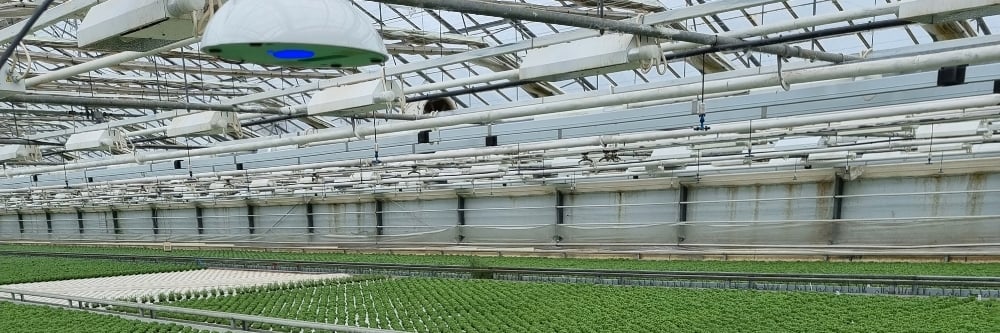
The introduction of LED technology marked an important step in improving energy-use efficiency. Intelligent control systems added the ability to optimize lighting strategies based on factors such as weather forecasts, electricity prices, and Daily Light Integral (DLI) targets.
The next step may be even more significant: making decisions directly based on the plant's response.
The Missing Piece of Greenhouse Control
High-tech greenhouses generate large amounts of climate data, but environmental conditions only tell part of the story. Plants are dynamic organisms, and their response to the environment is not always predictable.
Two greenhouse compartments can have the same growing strategies while the crops perform differently. Likewise, a lighting strategy that worked perfectly one week may be less effective the next due to changing environmental conditions or crop status.
This is why interest in plant sensing technologies continues to grow. Rather than measuring only the environment around the crop, these technologies measure signals directly from the plant.
Chlorophyll Fluorescence as Plant Feedback
Plant feedback and chlorophyll fluorescence were discussed at GreenTech 2026, reflecting growing interest in technologies that provide direct insight into crop performance.
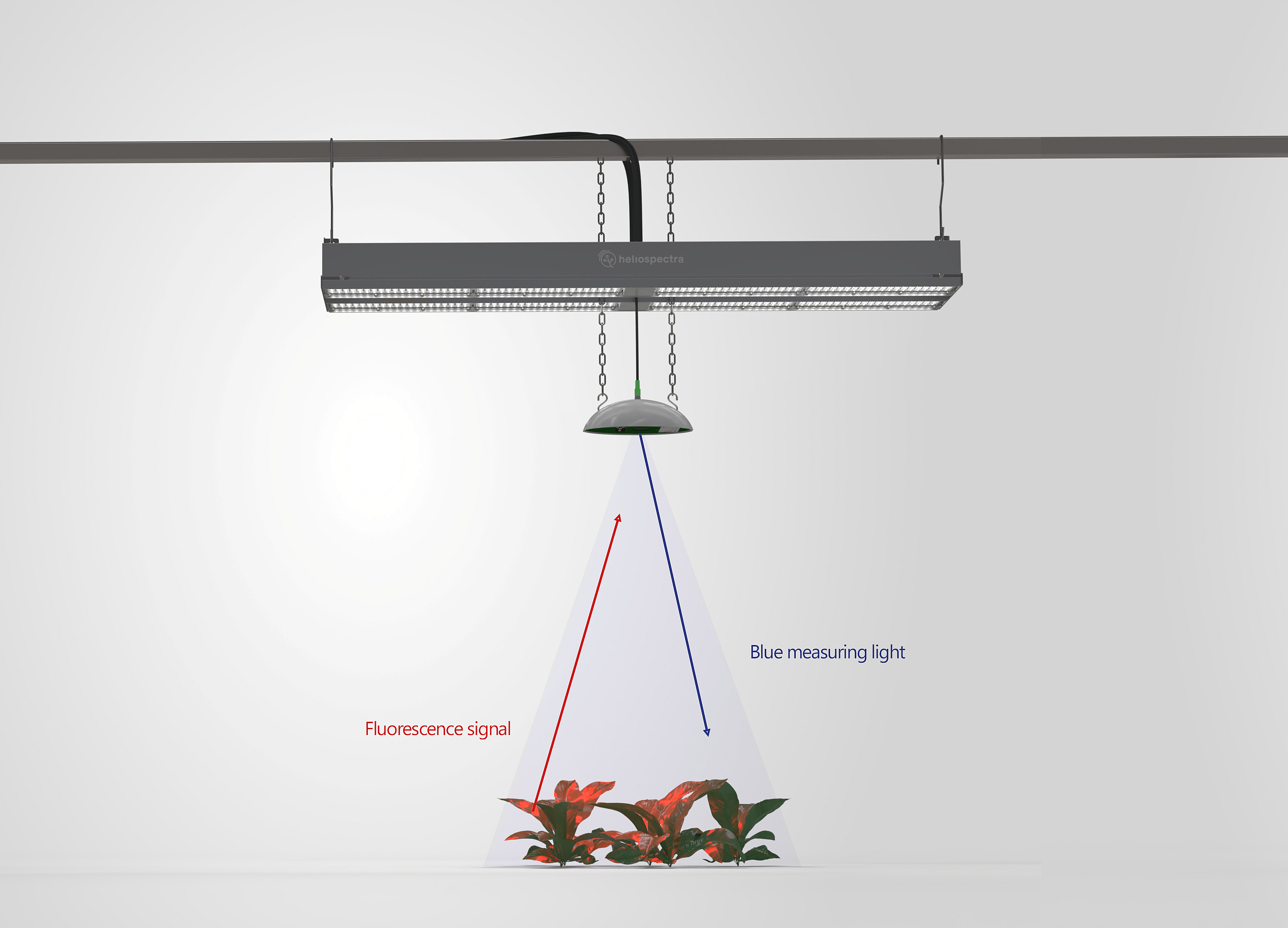
Chlorophyll fluorescence is a signal directly from the plant's photosystem and can therefore be used to gain insights into photochemistry and crop health.
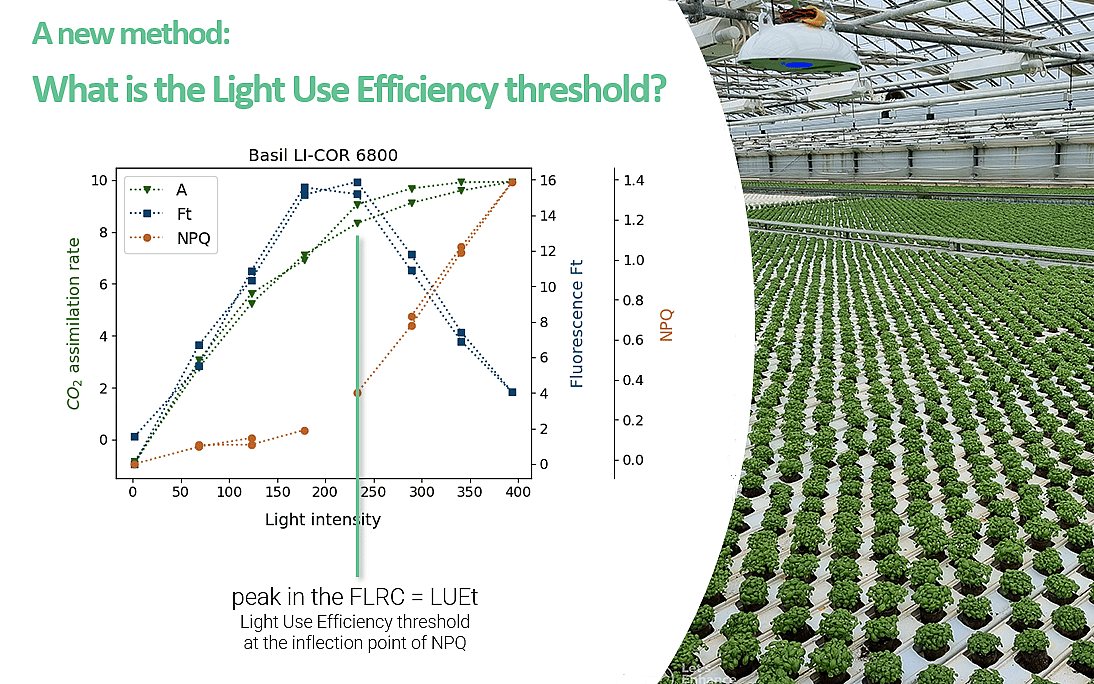
Light absorbed by a plant is ideally used for photosynthesis, converting CO₂ and water into sugars and oxygen. However, not all absorbed light can be used for this purpose. When plants receive more light than can be used for photosynthesis, protective mechanisms are activated to dissipate excess energy.
Measuring chlorophyll fluorescence allows us to understand how efficiently plants use available light and respond to their environment. This provides a direct link to the photosynthetic status of the crop and offers growers an opportunity to base decisions not only on environmental conditions, but also on plant performance.
Historically, chlorophyll fluorescence measurements have been used in plant science and research applications. More recently, new approaches make it possible to apply these measurements in commercial greenhouse production, bringing plant feedback closer to daily decision-making.

Have exclusive horticulture technology news delivered to your inbox
The GreenTech monthly newsletter brings you the latest exclusive horticulture technology news and updates about our global horticulture technology trade shows and events.
Join over 34,000 of your peers and receive:
☑ In-depth articles about greenhouse developments
☑ Exclusive commentary from industry leaders
☑ Knowledge session recordings and other event updates